

The Red Sox Are Building Something Unfamiliar
Why the Current Version of the Red Sox Feels Strange (and Intentional)

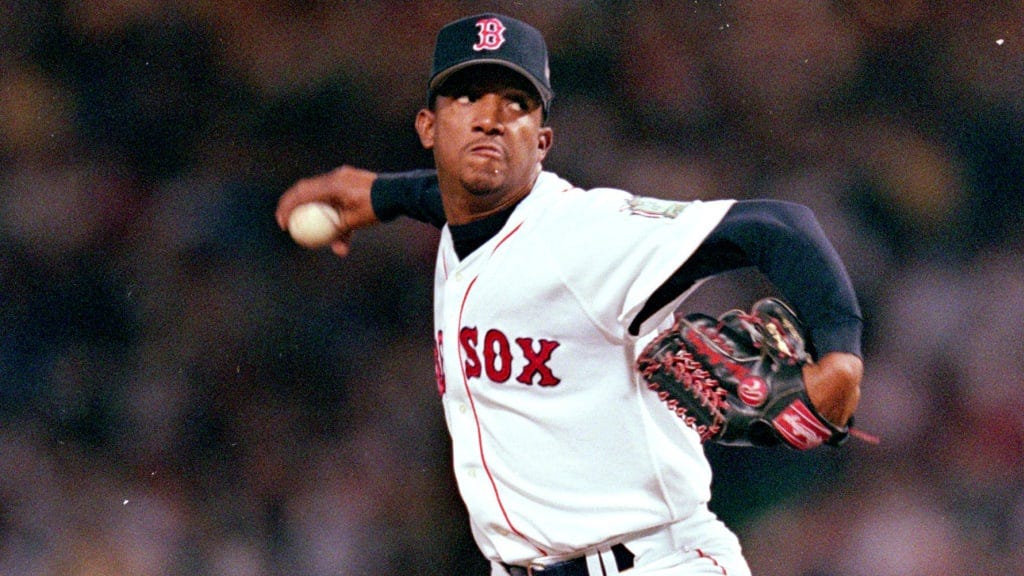
For most of their modern history, the Red Sox have been a bat-first organization by necessity. Fenway Park all but demands it. You survive the summer by turning line drives into doubles, peppering the holy hell out of the Monster, and by outscoring problems rather than preventing them. Pitching mattered, of course, but offense has always been the identity. Even when Pedro Martinez reigned supreme, the bats of Nomar Garciaparra, Manny Ramirez, and David Ortiz took up the majority of the focus four of every five games.
This offseason has quietly pointed in a different direction.
What the Red Sox have assembled so far looks like a team built to limit damage rather than maximize fireworks, the sort of design we’ve seen teams like the Milwaukee Brewers and Cleveland Guardian ride out in recent years. There’s real depth in the starting rotation. The bullpen looks competent and flexible with a true elite closer in Aroldis Chapman coming off the best season of his career, and a quietly excellent Garrett Whitlock serving as his primary setup man.
The offense is a completely different story. It strikes out a lot, doesn’t hit a ton of home runs, and is heavily dependent on its younger talent (Roman Anthony, Marcelo Mayer, Kristian Campbell, to a lesser extent Wilyer Abreu and Ceddanne Rafaela) taking meaningful steps forward. It’s a high-risk, high-reward approach to the position player side of the roster and I genuinely have no idea how it’s going to play out.
With that said, I’m pretty confident that what we have in the moment that I am writing this on 2/2/26 is not the finalized roster. It still feels like it’s missing two medium-sized pieces, particularly after the spots opened by trading Jordan Hicks and David Sandlin. Regardless of who those final names end up being, the broader point remains: this Red Sox team is going to function differently than what we’re used to seeing. Less bludgeon, more balance. Less noise, more margins.
I suspect the final touches will come in the form of an infielder and a left-handed relief pitcher. Rather than speculating about the trade market and the prospect cost that comes with it, I will instead focus on the remaining free-agent options.
The infield market boils down to how much risk the front office is willing to tolerate.
Ramon Urías
Urías defines unsexy reliability. He plays a good glove, hits right-handed, and won’t embarrass you at the plate. There’s value in that. But in Boston’s case, the fit is awkward. He feels like a slightly reshuffled version of skills the roster already has—essentially a better glove, worse bat version of Romy González. Useful in isolation, but not obviously additive.
Luis Rengifo
Rengifo is the upside play. A switch-hitter who can move around the infield, he brings speed and athleticism that this roster could use. Last season was ugly, but it’s not hard to squint and see a rebound. He’s been a solid hitter before, and if that version shows up again (which is did as recently as in 2024), he meaningfully changes the offensive texture of the lineup.
Isiah Kiner-Falefa
If the goal is defense first, Kiner-Falefa is the cleanest answer. He’s the best glove of the group, has extensive AL East experience, and puts the ball in play. He won’t walk much, he won’t hit for power, but he’ll make the routine plays and swipe a few bases. In a roster already leaning toward pitching and run prevention, that kind of certainty has appeal.
If the Red Sox prioritize defense and structure, IKF makes the most sense. If they want to bet on upside, Rengifo is the move. Urías feels like the least compelling option given the current roster shape.
On the pitching side, the assumption is straightforward: this addition is almost certainly a lefty.
Danny Coulombe
Coulombe is the best left-handed reliever still available when healthy. He’s an experienced arm that can pitch in any role. The risk is health. Both of his last two seasons have feature significant missed time due to injury. That risk is likely why he remains unsigned. But if you’re willing to manage workload carefully, the upside is real.
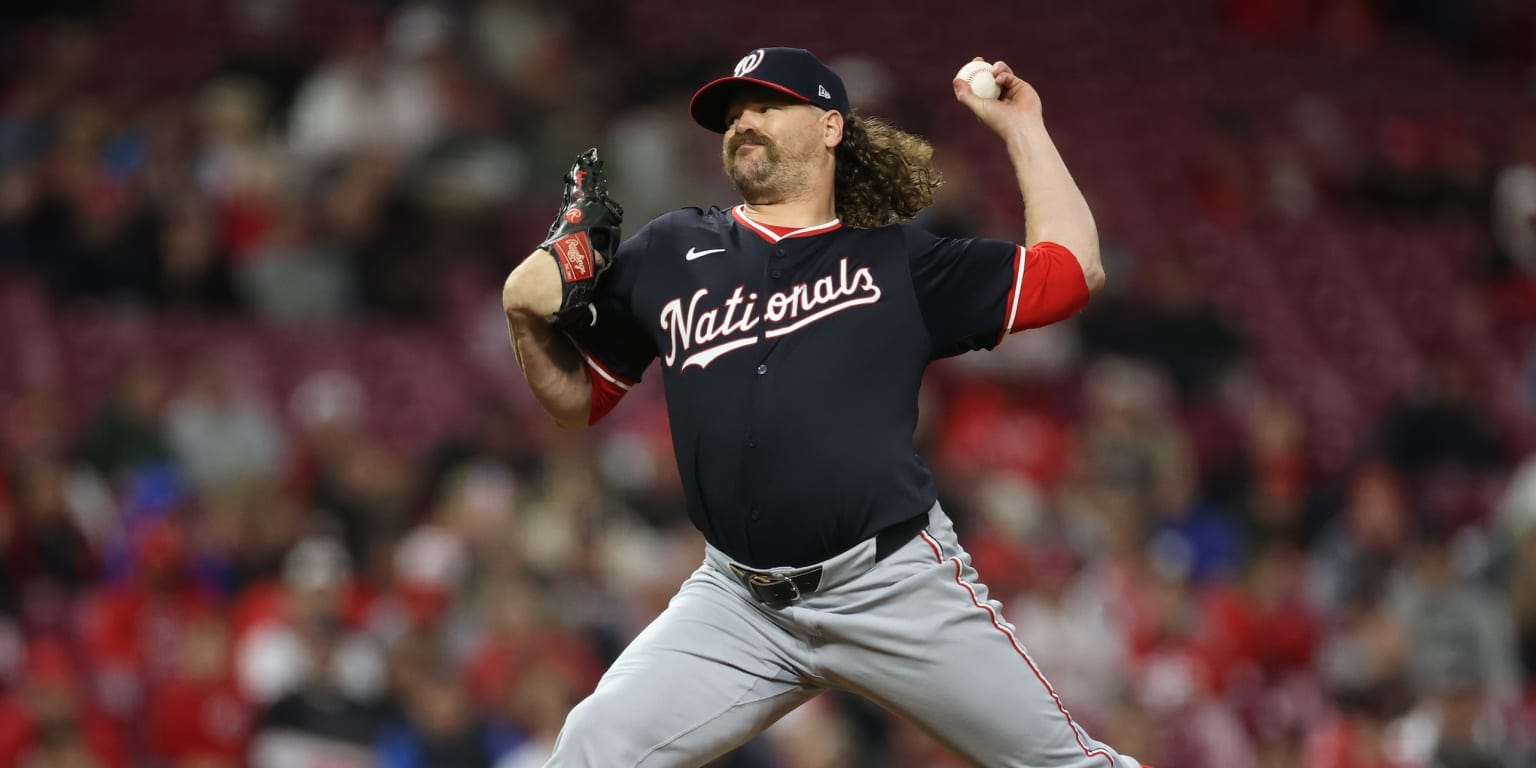
Andrew Chafin
The man with the best mustache and mullet combination in the league has a nice track record of effectiveness. Injuries cropped up last year, yet he was still useful. An experienced arm that won’t break the bank.
Jalen Beeks
A familiar face in Boston, Beeks has carved out a quietly successful career as a flexible reliever. He’s not flashy, doesn’t dominate, and rarely draws attention—but he’s reliable. More of the same in 2025.
None of these moves would redefine the Red Sox. That’s not really the point. The point is reinforcing a roster that already appears to be pivoting toward pitching and defense. If this season works, it won’t look like Red Sox teams of the past. It’ll look quieter and stranger.
Deliberately so.
Those additions fall somewhere between meh and blah.
Well done... 💪🏼